


Ukrainian cabinet building hit by Russian cruise missile. EU envoy shares photos



During Russia’s September 7 attack on Ukraine, it was not a Shahed drone but a 450 kg warhead cruise missile from the Iskander operational-tactical missile system that struck the Cabinet of Ministers building
EU Ambassador to Ukraine Katarína Mathernová shared photos on Facebook. Together with Prime Minister Yulia Svyrydenko, Ministers Andriy Sybiha and Ihor Klymenko, she visited the Cabinet of Ministers.
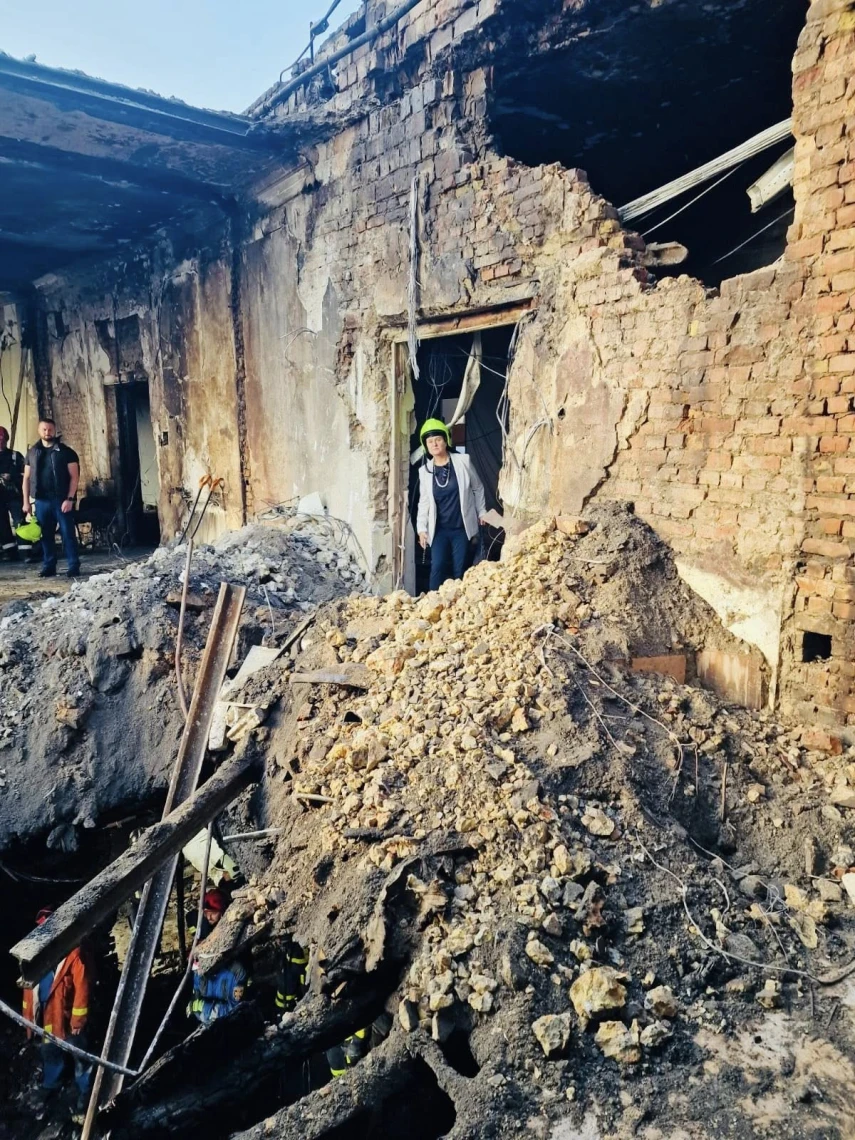
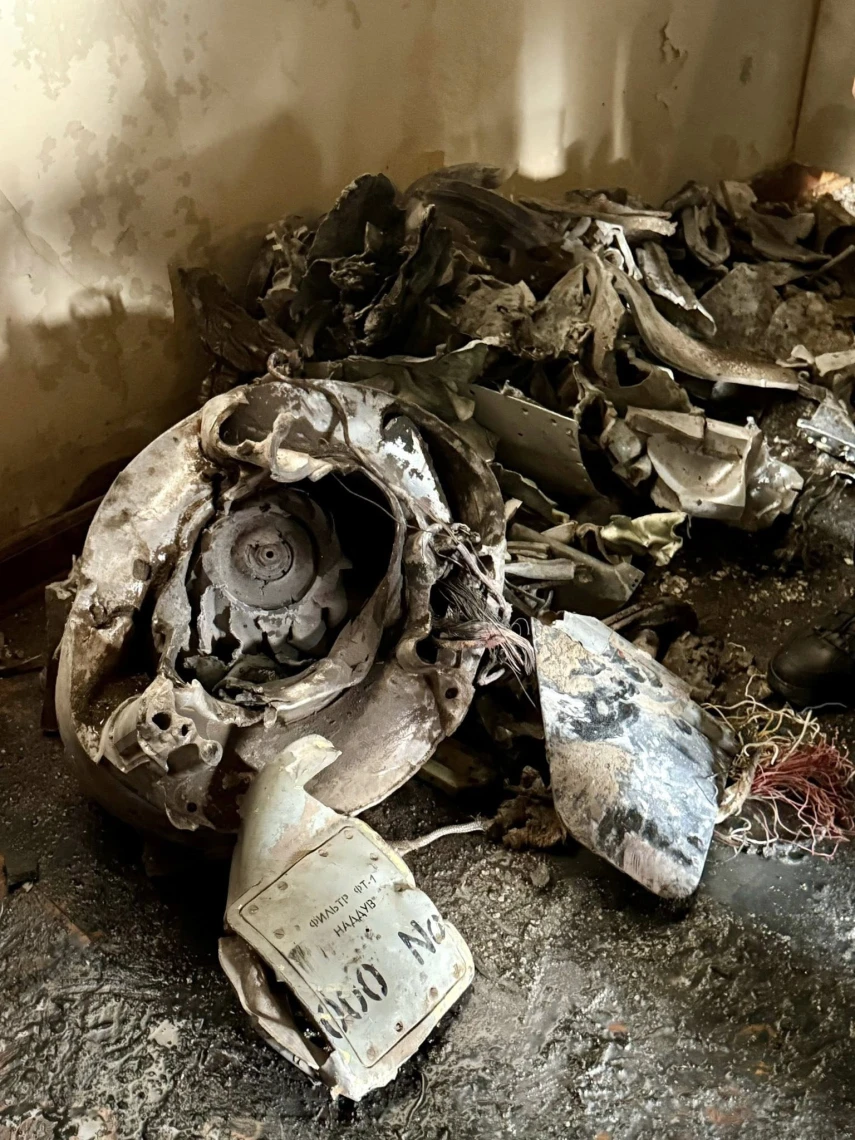
"I saw it with my own eyes: Putin knows exactly what he is doing. The Iskander ballistic missile that struck the Cabinet of Ministers was aimed right there — at the heart of Ukraine’s government. We were shown sizeable remnants of the actual missile. And a multitude of shrapnel coming from the cluster munition embedded in the Iskander. The scary party for me was climbing onto the sloping roof. But the gaping hole left by the direct hit was there to see. Only thanks to the missile failing to fully detonate, the entire building was not reduced to rubble," the EU diplomat wrote.
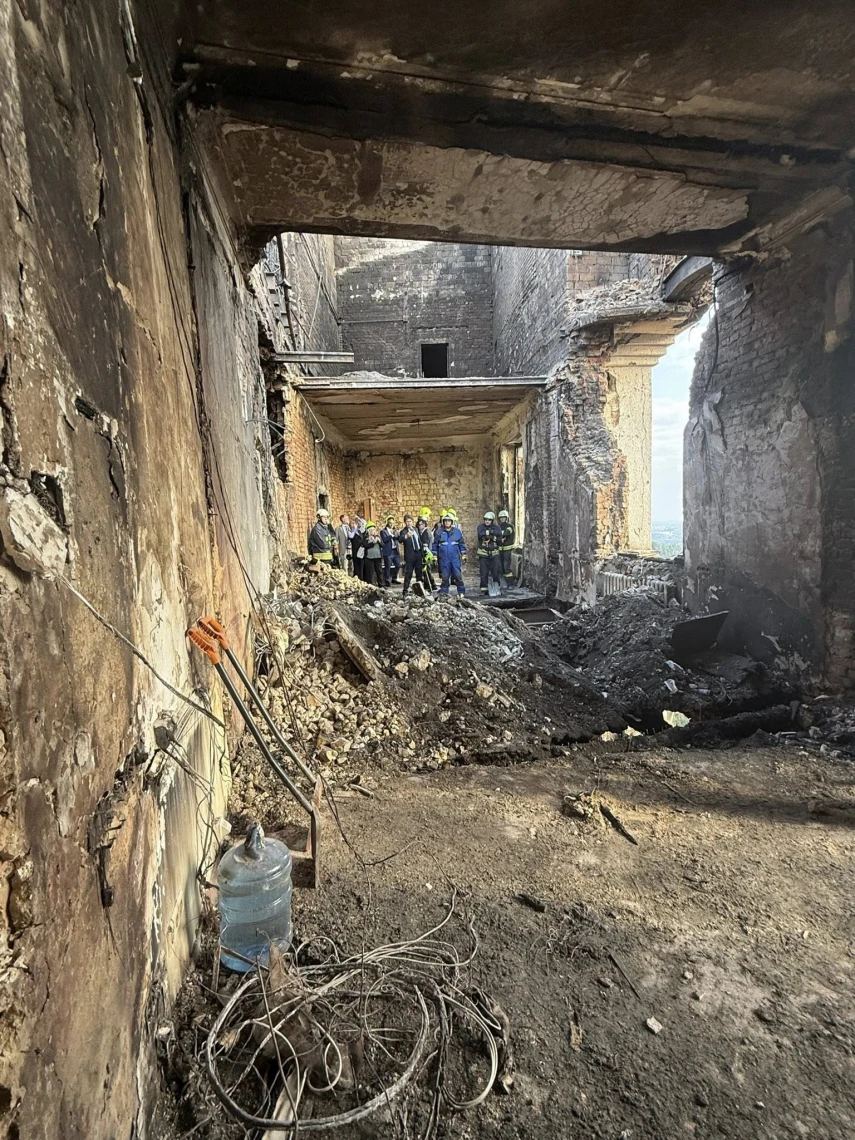
She noted that thanks to the swift actions of Ukrainian emergency services—whom the ambassador called true heroes—the fire was contained to three floors before it could engulf the entire building.
"Putin is deliberately targeting the country’s lifelines — its government, its energy, its people. This is the time for unity. This is the time for allies to step up, to massively increase pressure on Russia, and to give Ukraine what it needs to protect its skies. Anything less will only embolden the Kremlin’s killing spree," Mathernova said.
Neither the Air Force of the Armed Forces of Ukraine nor the press service of the Ministry of Internal Affairs confirmed or denied what exactly struck the Cabinet of Ministers building in response to a request from Espreso journalist Volodymyr Fedorovych.
Only the spokesperson of Ukraine’s State Emergency Service, Svitlana Vodolaha, commented that during the clearing of the debris, rescuers did indeed find fragments of a missile, but specialists from other agencies were responsible for determining exactly what type it was.
Earlier, Defense Express reported that during the massive attack by Russia on the night of September 7, the Cabinet of Ministers of Ukraine was hit not by a Shahed-type drone, but by a 9M727 cruise missile from the Iskander operational-tactical missile system. Its warhead did not detonate.
Experts reached this conclusion after analyzing the debris. The fire that broke out on the upper floors of the building was caused by the ignition of fuel from the missile’s tanks.
The 9M727 cruise missile is one of three missiles designed for the Iskander missile system, along with the 9M728 and 9M729. They are often referred to simply as Iskander-K or R-500. The 9M727 is believed to be a land-launched variant of the 3M-14 Kalibr.
It is actively used by Russia for strikes on Ukrainian cities. One of the most well-known cases of its use was the strike on the drama theater in Chernihiv in 2023.
“As with the vast majority of other types of Russian weapons, this missile also heavily relies on Western microelectronic components from the civilian market, produced in China. We note that, had the warhead — weighing about 450 kg — functioned properly, the consequences of this strike would have been much more severe,” Defense Express emphasized.
According to the Air Force Command’s report, in this attack Russia used 9 Iskander cruise missiles, of which four were shot down. Along with them, Russia launched 810 drones of various types, of which 747 were intercepted and destroyed. Four ballistic missiles were not intercepted.
On the evening of Saturday, September 6, the Russian forces launched attack drones and ballistic missiles against Ukrainian territory. That night, Kyiv was under drone attack, which resulted in killed and wounded civilians. Debris struck the Cabinet of Ministers building. Kryvyi Rih was hit by ballistic missiles, causing casualties. Infrastructure in Dnipropetrovsk and Poltava regions was damaged as a result of drone attacks.




- News