


Trump's ultimatum to Europe: why U.S. will only sanction Kremlin's oil dollars with EU



President Trump recently gave his European allies an ultimatum: tougher U.S. sanctions on Russian energy would only happen if all NATO and European countries stop buying Russian oil
Contents
- Trump and “energy pressure” on Russia
- Ukraine has been talking about this for years
- European resistance: what are the “exceptions” blocking new sanctions?
- Excuse or strategy? Analysis of Trump's intentions
This statement echoes the rhetoric of Ukrainian President Volodymyr Zelenskyy, who has repeatedly emphasized that revenues from oil sales finance Russia’s aggression against Ukraine. However, resistance not only from Hungary and Slovakia, which still rely on Russian supplies, raises the question: is this a genuine attempt to form a strong united front, or just another “excuse” to avoid serious action?
Espreso explains more on this.
Trump and “energy pressure” on Russia
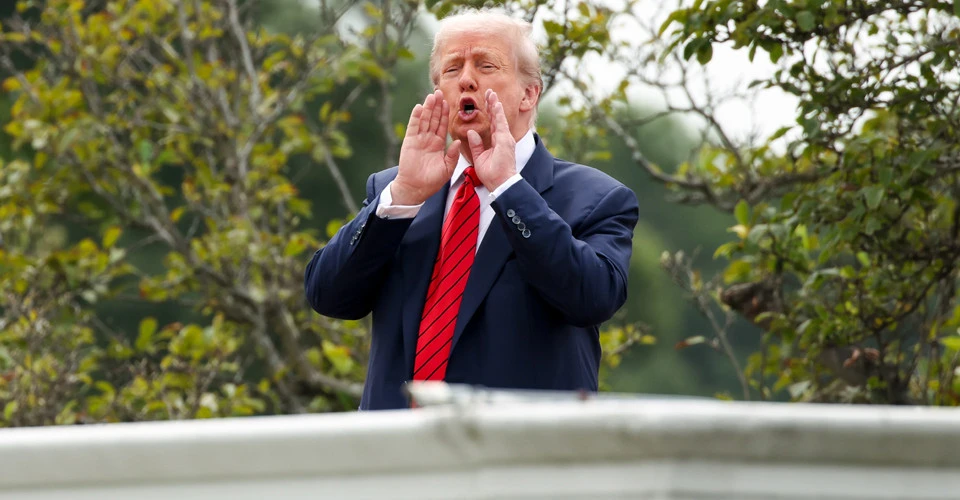 Since returning to the White House, Donald Trump has continued to use economic pressure as a key foreign policy tool. His favorite instrument in this area is import tariffs, which he has imposed on the world - offering low “taxes” to those willing to cooperate and high ones to those who resist.
However, when it comes to Russia, Trump has never gone beyond threats. Nearly every month, he has hinted that if Russia does not agree to a peace deal with Ukraine, the consequences will be “very bad.” Yet, by “talking nicely” with Putin and repeatedly postponing action by “two or three weeks,” the U.S. president has turned his promises into a subject of ridicule among both opponents and the media.
Thus, the new rhetoric of the U.S. president may reflect both a desire for allied unity on sanctions and an attempt to shift the responsibility of finding a “culprit” onto the Europeans.
“Europe must stop buying Russian oil, which funds the war,” – in early September, after a meeting of the “coalition of the determined,” Trump noted, perhaps for the first time, that strong sanctions require Europe’s participation.
He later reiterated his point on Truth Social, saying the U.S. is “ready for tough sanctions” against Moscow, but only after all NATO members stop importing Russian oil. This condition involves not just the EU - with holdouts Hungary and Slovakia - but also Turkey, which is arguably the third-largest buyer of Russian oil after China and India. Accordingly, there are significant challenges to implementation.
"They're not doing the job. NATO has to get together. Europe has to get together," Trump said. "Europe… they're my friends, but they're buying oil from Russia, so we can't be expected to be the only ones that are, you know, full bore. Europe is buying oil from Russia. I don't want them to buy oil. I'm willing to do sanctions, but they're going to have to toughen up their sanctions commensurate with what I'm doing,” Trump told reporters a week ago.
At a joint press conference with British Prime Minister Keir Starmer, the U.S. president stated directly that Russia’s oil revenues are a key factor in compelling Putin toward peace.
“It’s very simple: if oil prices fall, Putin will have no choice but to exit this war,” Trump said.
And recently, he publicly addressed U.S. Ambassador to NATO, Matt Whitaker, urging him to increase pressure on Europe.
“They have to stop buying oil from Russia, Matt,” he said, addressing Whitaker in the audience. “Matt won’t let it happen much longer.”
This suggests that the U.S. leader has indeed shifted his position, and such pointed rhetoric toward Europeans is likely to intensify. Moreover, the United States is increasing oil production and working to lower its price to create additional economic pressure on Russia, Trump says.
In short, the logic behind potential new U.S. sanctions on Russian oil products is to close a “loophole” for Moscow: even though the EU and most Western countries have banned direct imports of Russian oil, it continues to reach markets as secondary products - diesel, gasoline, aviation fuel, or fuel oil - produced in India, China, Turkey, and other countries that buy cheap Russian raw materials in large volumes. Washington hints that the next package may target this “re-export,” meaning sanctions would affect companies, terminals, and banks handling these shipments, including the “shadow fleet” (Russia owns one in every six tankers globally, according to the NYT).
However, the U.S. does not want to act alone, as the impact would be weaker without EU participation: major consumption markets are still concentrated in Europe. Therefore, Trump is calling for a coordinated package - either additional restrictions on secondary product imports or targeted sanctions against companies and oil traders specializing in Russian oil processing. The idea is to make the resale of “hidden” Russian oil less profitable and reduce Kremlin revenues.
Ukraine has been talking about this for years
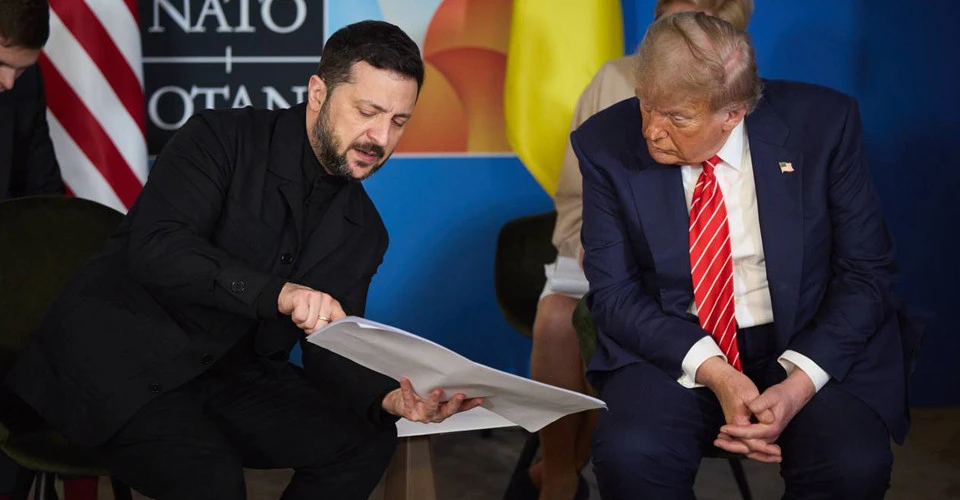 Interestingly, Trump is now echoing arguments that have been voiced for years by the Office of the President of Ukraine. Volodymyr Zelenskyy has repeatedly stated that revenues from oil make the war possible.
“We, for our part, are working with European countries to gradually reduce their reliance on ‘Russian’ energy. But ensuring this is a very complex process. The key is the outcome. I believe that, on the contrary, if President Trump takes serious steps, he will further push some European states involved in energy trade with Russia,” Zelenskyy recently told journalists.
According to him, long-term peace requires setting the price of Russian oil at $30 per barrel. In September, the EU set a cap of $47.6, or 15% below the average market price of Russian oil over the past six months. Currently, the market price is around $61. It is worth noting, however, that Russia offers discounts to its “preferred” buyers, so the actual sale prices often fall below the market level.
According to the head of Ukraine’s Main Intelligence Directorate, Kyrylo Budanov, a day of war costs Russia just under $1 billion, or about $300 billion per year. Analysts at the KSE Institute calculated that this year Russia could earn over $150 billion from its oil products - $30 billion less than last year.
"I guarantee you that if Europe put on substantial secondary tariffs on the buyers of Russian oil, the war would be over in 60 or 90 days" because it would cut off Moscow's main revenue source,” a week ago, U.S. Treasury Secretary Scott Bessent noted.
European resistance: what are the “exceptions” blocking new sanctions?
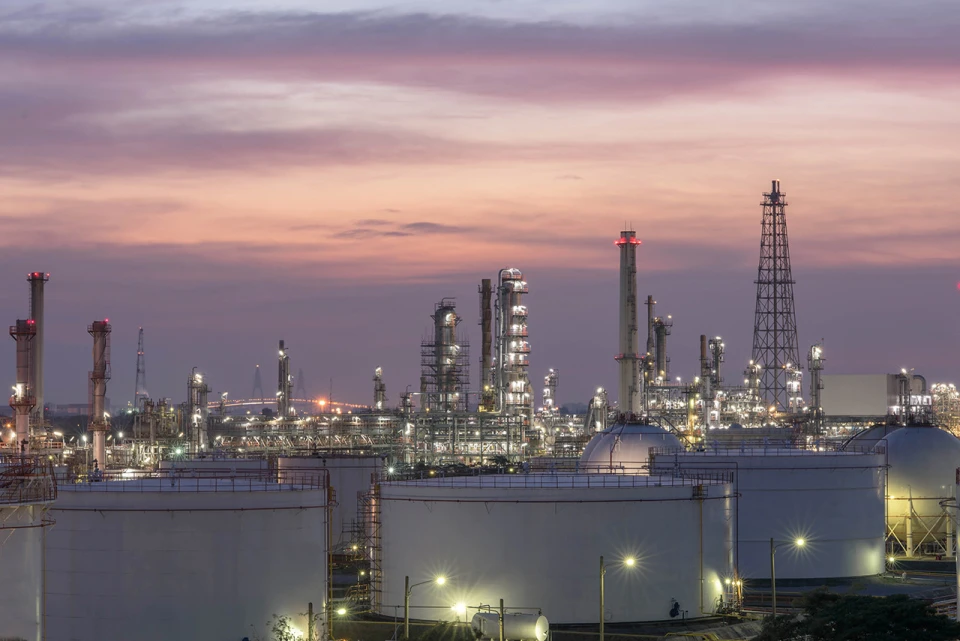 A well-known issue is the stance of the pro-Russian governments of Hungary and Slovakia - two EU and NATO countries that still directly import Russian oil via the Druzhba pipeline.
Despite EU sanctions over Russia’s war, the Druzhba pipeline continues to operate. Its northern branch supplied oil to Poland and Germany until mid-2023, when sanctions allowed contracts with Russia to be terminated. The southern branch, running through Ukraine, supplies Hungary, Slovakia, and the Czech Republic. The Czech Republic stopped importing Russian oil earlier this spring, having found alternatives, but Hungary and Slovakia refused other routes, citing high costs to reconfigure their systems. Hungary’s MOL, the main beneficiary, promises to adapt its refineries for non-Russian oil by 2026, though deadlines have already been postponed. Hungary could receive oil via Croatia’s Omišalj terminal and the Adria pipeline but has not concluded the necessary agreements.
Accordingly, Ukraine, through its strikes on the pipeline, signals to Hungary and Slovakia that they need to “speed up” this work. The EU is also exploring options to impose restrictions on oil imports via the Druzhba pipeline if Hungary and Slovakia continue to delay.
According to Eurostat, EU imports of Russian crude oil fell from over $16 billion in Q1 2021 to less than $2 billion in 2025. Meanwhile, Hungary increased its dependence on Russian oil from around 61% to 86%, and Slovakia maintains one of the highest dependence levels in Europe - about 87%. In other words, while other EU countries diversified their supplies, Hungary and Slovakia have only increased theirs.
Therefore, as Bloomberg notes, Hungary and Slovakia continue to “resist Trump’s efforts to halt Russian energy supplies.”
“Before we can fully commit, we need to have the right conditions in place — otherwise we risk seriously damaging our industry and economy,” Slovak Economy Minister Denisa Sakova told.
However, as Espreso reports citing diplomat Oleksandr Levchenko, Ukraine’s ambassador to Croatia (2010–2017) and to Bosnia and Herzegovina (2011–2017), it’s not just these two EU countries that continue buying Russian oil. Many others, including France, do so indirectly - purchasing from third countries, for example India, which buys the raw material and resells refined oil products that are formally outside sanctions but effectively enrich the Russian budget.
“As for Russian oil, the latest figures show that France buys the most, followed by Belgium, and only then Hungary and Slovakia. In total, seven countries purchase Russian oil, yet we keep talking about Slovakia and Hungary. France buys 4 million tons, supposedly on our behalf 100%. So, to some extent, we can understand Trump, and if his plan is implemented, Putin would really be in trouble. However, executing this plan is very difficult, as these seven countries are not going to give up Russian oil willingly,” the expert says.
Although French President Emmanuel Macron stated that residual energy imports from Russia to the EU are “very insignificant,” noting that since the start of the war, Europe has reduced its consumption of Russian energy by 80%.
Another major issue is Turkey’s import of Russian oil. After the full-scale war began, Turkey sharply increased its imports of Russian oil and oil products, taking advantage of the EU ban. For example, in 2022, it purchased about 5 million tons of diesel, and in 2023, over 13 million tons. Overall, since the start of the war, Turkey has spent tens of billions of dollars on Russian oil.
Purchases continue this year as well. Ankara eagerly buys Russian oil products at discounted rates for its own refineries. This is economically beneficial for Turkey, so it is in no rush to change course. This week, Turkish President Recep Tayyip Erdoğan is scheduled to meet with the U.S. president at the White House, where issues including “trade and investment” will be discussed.
Besides oil, it’s important to remember that Europe continues to purchase gas from Russia. EU energy spokesperson Anna-Kaisa Itkonen confirmed that eight countries are still buying Russian gas: Belgium, France, Greece, Hungary, the Netherlands, Portugal, Slovakia, and Spain.
Excuse or strategy? Analysis of Trump's intentions
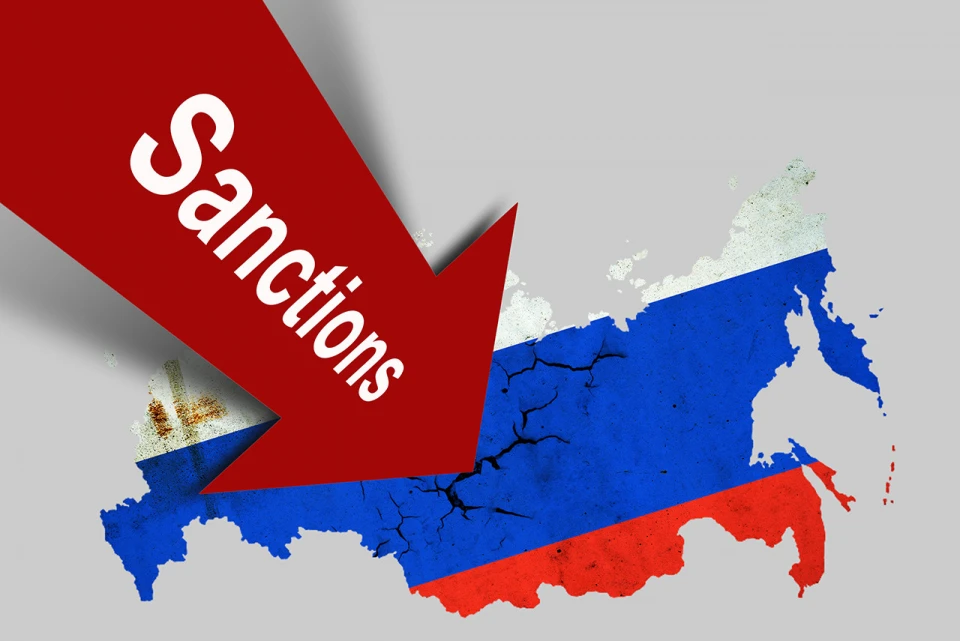 It remains unclear whether Trump’s “ultimatum” to Europe is a genuine strategy for a “unified sanctions package” or a convenient excuse to do nothing. The U.S. president seems to push rhetoric to the limit, yet in practice never crosses it—another reminder of the populist nature of Trump’s politics.
Political science professor Branislav Slanchev of the University of California, San Diego, stated in a post on X that Trump deliberately sets “impossible conditions” to avoid taking action against Moscow.
“He knows that Hungary and Slovakia will not stop imports, and the EU requires unanimity. This is a classic strategy of delay and blame-shifting,” writes Slanchev, noting that the U.S. could simply approve a sanctions package in the Senate, where there is a majority in favor.
As the Washington Post reports, former President Biden imposed new sanctions on Russia weekly to increase pressure aimed at ending the war in Ukraine. However, in his second term, Trump implemented none. American journalists note that due to intensified Russian attacks and growing pressure from Ukraine, Europe, and U.S. lawmakers, Trump was forced to respond - but he chose his usual strategy: issuing countermeasures.
“The Trump administration says it has maintained pressure on Moscow by leaving the U.S. sanctions infrastructure intact, but critics say that for the measures to maintain their effectiveness, they must be continually updated,” says the Washington Post.
In other words, Trump’s unwillingness to update sanctions gives the Kremlin an advantage, as it creates more effective “loopholes.”
“If you’ve done what Trump has done in the last six-plus months, and do no sanctions at all, you are effectively easing sanctions,” said Edward Fishman, a former U.S. sanctions official with the State Department, now with Columbia University’s Center on Global Energy Policy.
Manhattan University professor Ihor Aizenberg was even more skeptical, telling Espreso that if Donald Trump does not lift sanctions on Russia and continues supplying weapons to Ukraine, it can already be considered “a major success.”
Meanwhile, political scientist Serhiy Taran believes that all the talk about new sanctions on Russian oil serves Trump mainly to increase EU pressure on China, which the U.S. leader views as the main threat, not Russia.
“But Trump doesn’t want to pressure China alone. He wants to involve Europe as well, which, in his plan, should also pressure China and India through sanctions to stop these major Global South countries from funding the war,” the expert notes.
He adds that Europe is indeed showing a contradictory stance: some countries buy Russian energy, uranium, titanium, liquefied gas, and Indian oil products, indirectly funding Russia, while at the same time demanding that the U.S. impose sanctions on Russia and its partners.
“Therefore, Trump’s logic here is clear. If Europe joined secondary sanctions, the leverage for serious talks with Russia and China would increase exponentially. People say the EU will never join sanctions because ‘the economy would collapse,’ but in that case, the responsibility lies not with the U.S., but with Europe, which demands that Trump punish Russia while officially being ready, at best, to give up Russian energy only by 2027 (not to mention titanium or uranium),” Taran concludes.
The EU has so far responded to Trump’s message: after adopting the new 19th sanctions package last week, EU Commission President Ursula von der Leyen noted, “It’s time to turn off the tap.” The new package calls for a phased halt to Russian liquefied natural gas purchases by 2027 - one year earlier than the previous plan. It also increases pressure on companies from China and other countries to stop cooperating with Russia and, for the first time, targets cryptocurrency platforms that enable transactions with Russia.
So, to some extent, this is not just Trump talking - his rhetoric has already mobilized Europe and sparked discussions about a faster, full embargo on Russian energy. But it is also not an absolute ultimatum that would force everyone to comply immediately, because given economic and infrastructure realities, many countries cannot simply cut off Russian energy without significant costs or disruptions. It is therefore very unlikely that a coordinated new sanctions package from the U.S. and EU will happen soon, giving Trump time to remain passively on the sidelines. As he likes to say, “we’ll see what happens next” - perhaps Putin will change his mind and agree to his conditions for ending the war and establishing peace in Ukraine? So far, there is no sign of that.




- News