


Russia shifts tactics in strikes on western Ukraine — will the trend persist?



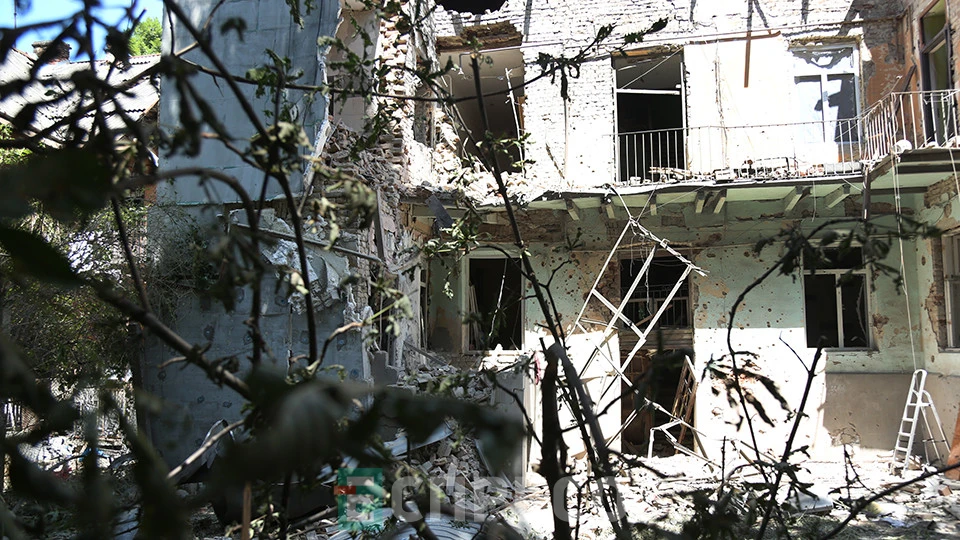
A few days ago, Lviv, Lutsk, and Chernivtsi — cities in western Ukraine once considered relatively safe — came under major Russian drone and missile attacks
Espreso asked military analyst Serhiy Zgurets, CEO of the media and consulting cimpany Defense Express, whether Ukraine should expect further massive Russian drone attacks on the west of the country, what Russia’s goal is with such strikes, and how Ukraine can respond.

Russia targets military sites and infrastructure - anything that could affect civilian resilience
Ukraine is facing a sharp rise in Russian drone attacks. The aggressor country is not only increasing the frequency but also the scale — with some assaults involving up to 700 drones at once. About half are Shahed-type strike UAVs, while the rest are decoy drones meant to overload Ukraine’s air defenses.
“If we’re talking about Russian drone attacks, they are indeed growing, both in frequency and in the number of attack weapons used. In some cases, the enemy launched up to 700 drones, half of them Shaheds, the rest meant to distract air defense,” the expert said.
Russia appears to have two main objectives with these attacks.
“The standard tactic is to weaken resistance, exhaust the population, and provoke internal sentiment that we should accept peace at any cost, because living under constant attack feels unbearable. That’s exactly what the enemy counts on, using psychological and informational pressure,” Serhiy Zgurets explained.
According to him, Russia targets military facilities and, along the way, strikes infrastructure critical to civilian resilience — such as railway stations, power grids, and heating networks.
“The enemy’s approach hasn’t changed — only the scale, as Russia now has the capacity to produce more Shaheds and other drones. Recent strikes on western cities like Lviv, previously considered safe, are part of this broader strategy: to make the west feel unsafe and undermine the country’s stability,” Zgurets said.
Massive drone attacks on western Ukraine unlikely to be frequent
When it comes to military targets, Zgurets noted that strikes on infrastructure also impact Ukraine’s military capabilities.
“Airfields remain a key priority for the enemy, especially specific ones that could be targeted. We don’t have the full list of military sites, so it’s hard to judge the latest attacks in western Ukraine. However, we can point out Russia using large numbers of drones in paired attacks against infrastructure, including in Lviv. There were at least four waves — two drones at a time — aimed at hitting facilities near railroad tracks,” he explained.
According to Serhiy Zgurets, Russia’s main targets in western Ukraine are airfields, energy infrastructure, and other critical facilities. However, he doubts such large-scale UAV attacks on the region will become frequent, as they are harder for Russia to carry out.
“Russia’s primary focus remains Kyiv. Striking western regions is more complicated due to the long flight paths. The Russians have tried different routes — like sending drones toward the Belarusian border — but even so, this direction is harder to prepare and sustain,” Zgurets explained.
He believes massive strikes on the west will likely remain occasional, used mainly to amplify psychological pressure on Ukrainian society.
Russia's industrial capacities
Serhiy Zgurets doubts Russia can sustain the pace of 700+ drone attacks per day, as seen in early July.
“Seven hundred drones in one night is the absolute maximum. The monthly average is closer to 120 per day. We estimate Russia’s Shahed production at 90–100 per day, plus another 80 Gerbera decoy drones used in attacks,” Zgurets said.
He noted that Russia might only reach a consistent rate of 700–1,000 drones daily once it finishes building its new production plant in Yelabuga — likely in six months or more.
For now, daily numbers will fluctuate between 200 and 700.
When Russia launches such massive waves, Zgurets explained, it usually targets a single city to maximize the impact of concentrated attacks.
“This surge in drone attacks complicates air defense and highlights the need for Ukraine to adapt its strategy across multiple cities,” the analyst said.
“A major focus now is developing interceptor drones — a more efficient and cost-effective solution. This is the most rational approach.”
Ukraine is also boosting other production capacities, including light aircraft and alternative methods that don’t rely on expensive anti-aircraft missiles.
“One Shahed UAV costs around $200,000, making missile defense costly and inefficient. Interceptor drones, costing about $5,000 each, offer a much smarter way to counter the growing drone threat,” Zgurets concluded.




- News