


Faces rebuilt: Inside Ukraine’s revolution in facial prosthetics for wounded soldiers



After devastating injuries that alter not only appearance but entire lives, many soldiers say the hardest part isn’t physical recovery — it’s recognizing themselves again. In Kyiv, Ukraine’s only lab for crafting custom facial prosthetics is giving veterans back more than just features — it’s helping them reclaim their identities
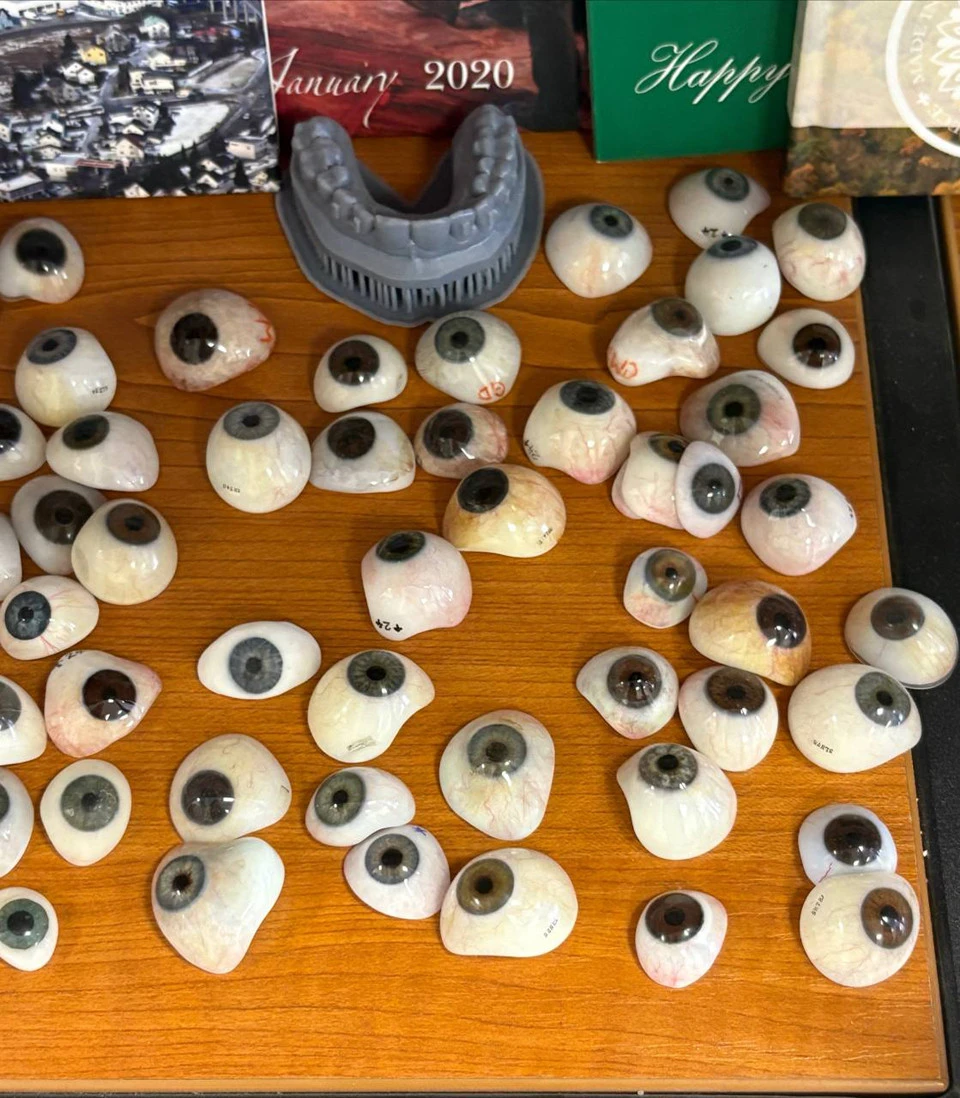
At Imateh Medical, a bioengineering company in Kyiv, specialists design individualized prosthetics for eyes, noses, and ears. It's more than just cutting-edge technology — it's a way for wounded veterans to see themselves in the mirror again.
The center was founded in 2017 as a small lab with only three employees. Initially, the team focused on treating facial trauma from accidents and supplying standard titanium plates and screws for maxillofacial surgery.
“We started with very simple things,” says Valentyna Kalynovska, director of Imateh Medical. “Later we got 3D modeling equipment and began collaborating with cancer centers. But the real challenge came with the full-scale war.”
Facial trauma is among the most complex types of injury — not just physically, but emotionally. When shrapnel or blast waves strike the face, the damage isn’t only visual. Veterans often lose the ability to speak, chew, or breathe properly. While Ukraine does offer complex reconstructive surgery, it requires time, expertise, and determination.
That’s where Doctors for Heroes comes in — a project helping soldiers restore not only function but also confidence and dignity.
The lab treated its first veteran in June 2022, when a soldier came in needing a custom lower jaw implant. Since then, over 1,800 patients have received care. In November 2024, the lab expanded to creating individualized prosthetic eyes, noses, and ears — a major leap forward. The program allows veterans to receive these prosthetics free of charge.
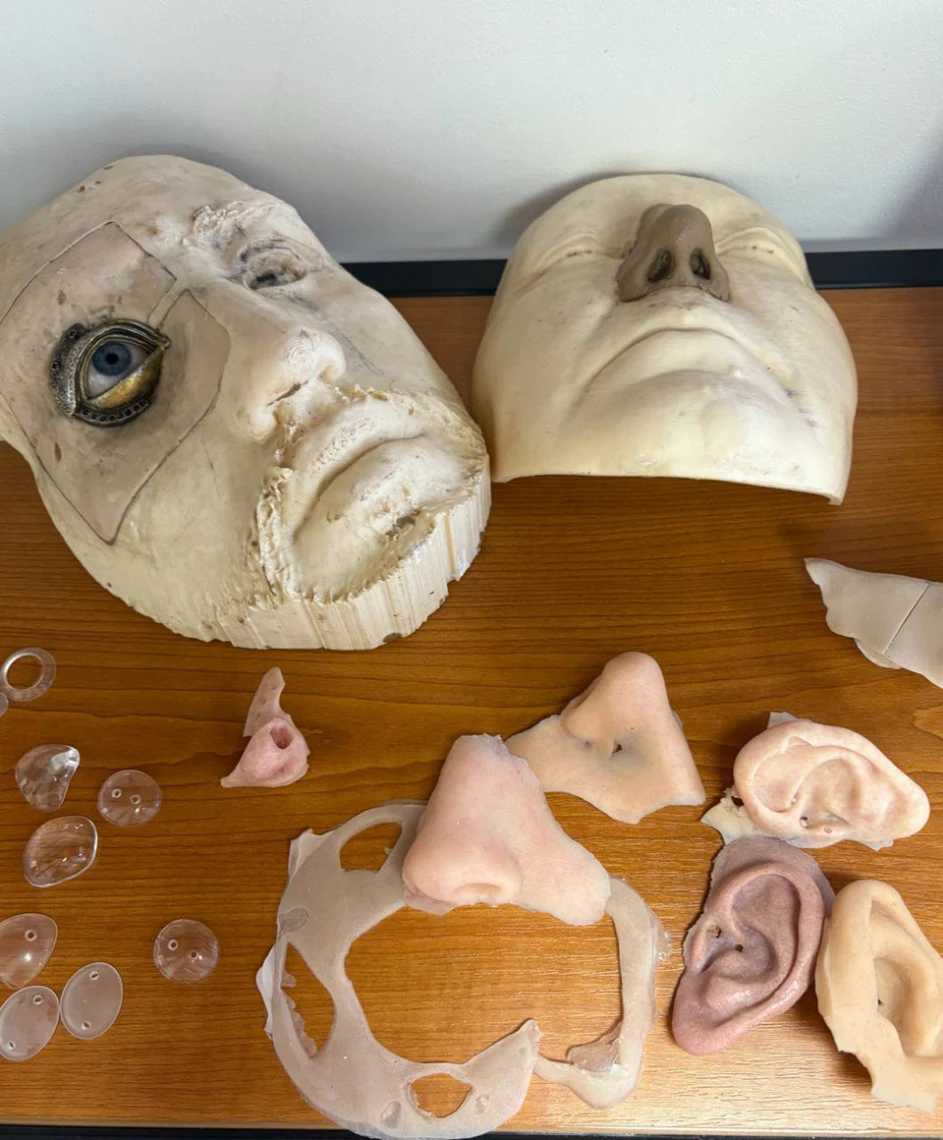
“Materials are expensive and often hard to find in Ukraine,” says Kalynovska. “The first big problem we faced was sourcing medical-grade silicone. We ended up partnering with the Ukrainian film industry, where artists and sculptors had experience casting silicone for actors.”
Today, the lab has a six-person team, each with a specialized role: consulting physician, technician, artist, bioengineer, sculptor, and director. All materials are sourced abroad — there’s simply no domestic production.
A single implant can cost anywhere from $180 to $6,000, depending on complexity and the medical-grade materials required. The lab needs an average of $18,000–$21,000 per month to cover all patient needs. The project will continue until Ukraine creates a national program to fund custom medical devices for injured civilians and veterans.
How a face is rebuilt
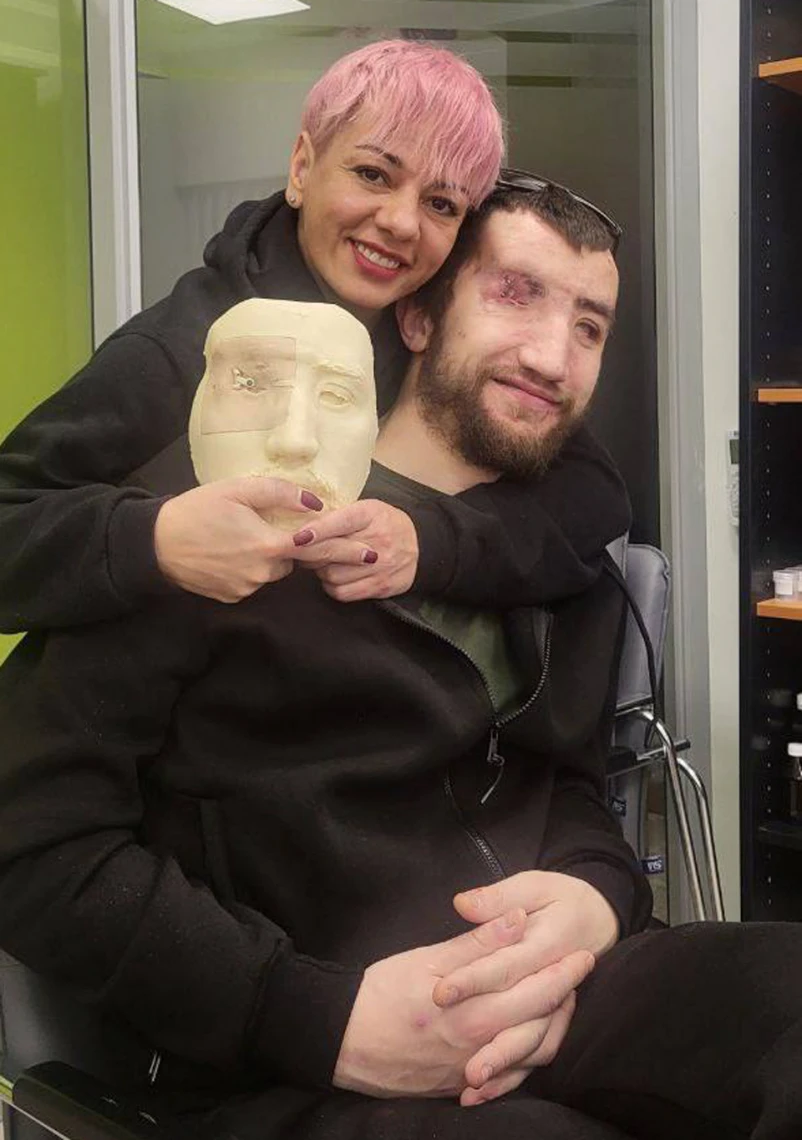
The process begins with an ophthalmologist exam. Sometimes surgery is required before the team can proceed. Next comes a 3D scan of the affected area. Using that scan, technicians create a mold — a process requiring almost surgical precision.
“We don’t make templates,” Kalynovska explains. “We recreate the person’s face exactly as it was before the injury — every wrinkle, every mole, every scar.”
Those tiny details matter deeply to patients.
The technician uses colored silicone to create the base mold. It's injected directly into the area where the prosthetic will sit, capturing the muscle contours of the surrounding tissue. Then, the team casts a wax prototype from that mold.
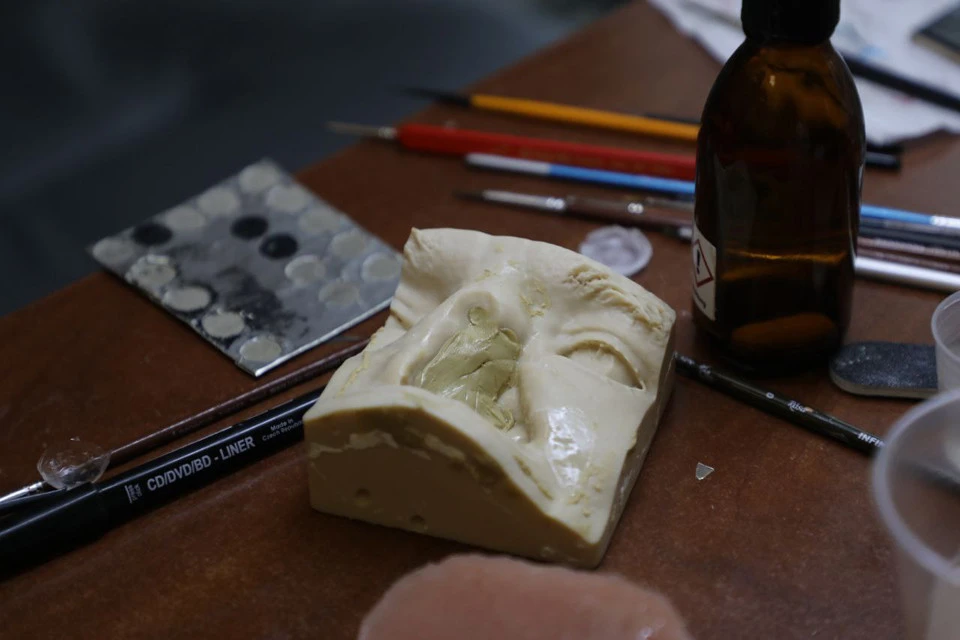
Each prosthesis is hand-painted, layer by layer, to match skin tone, iris color, freckles, and veins — so it looks completely natural. Artists spend weeks perfecting it. On average, patients receive their prosthetic by their third visit — if all goes smoothly.
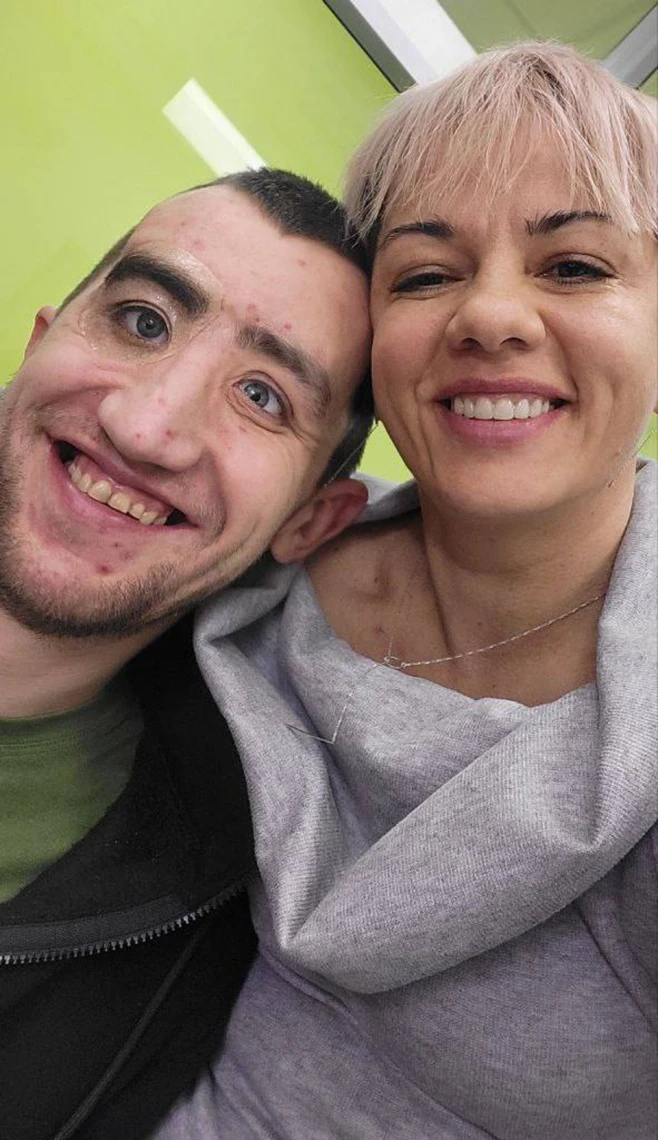
One patient, Vadym, lost his nose on the frontlines. Breathing became difficult, and the team spent hours building, painting, and adjusting the prosthetic to fit precisely.
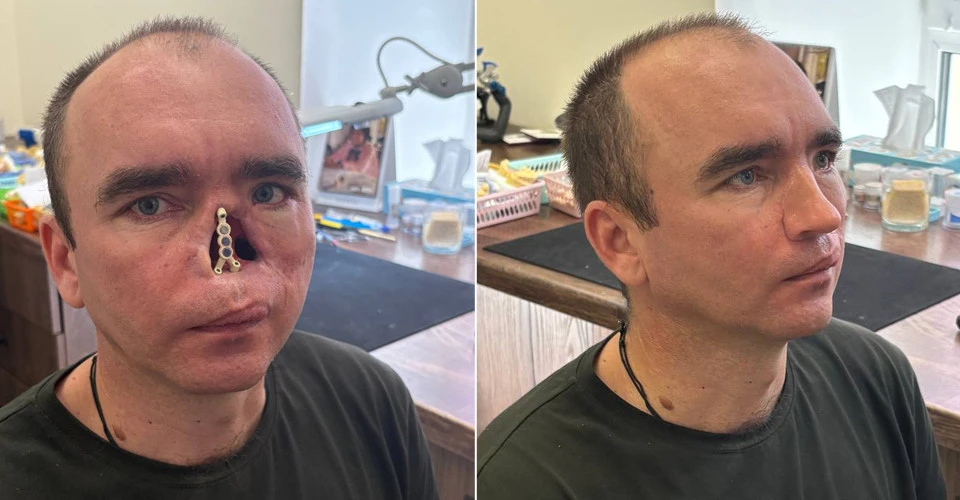
“Fit and comfort are just as important as appearance,” says one technician. Often, the lab makes multiple prosthetics for a single patient — one for summer, another for winter, as skin tones shift with the seasons. One woman even asked for both “everyday” and “special occasion” prosthetics.

“The kids say, ‘look, a pirate!’ And that’s kind of cool”
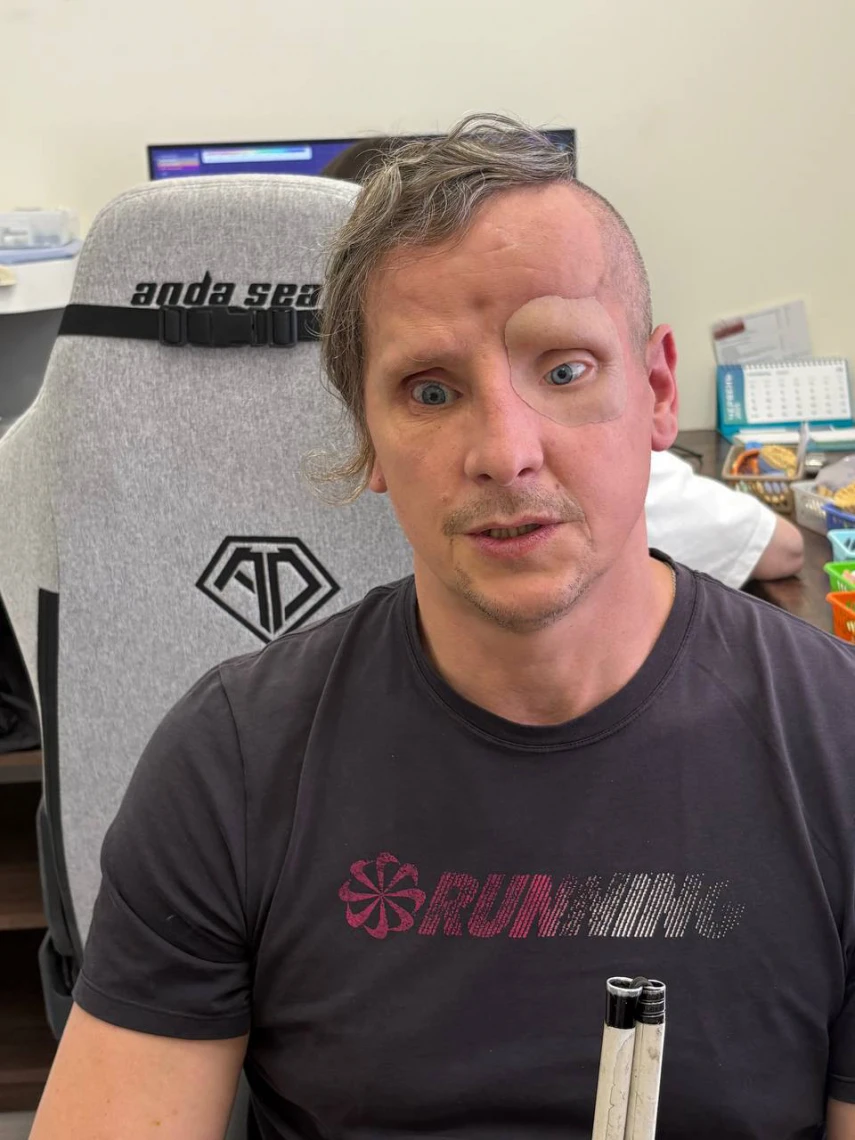
Ruslan, 48, lost both eyes near Bakhmut. Still, he refuses to let the injury define him.
“When I go to the playground with my kid, other kids say, ‘Hey, the pirate’s here!’ And I kind of love that,” he laughs.
Ruslan didn’t initially want to replicate his full appearance, but agreed to try one eye. The result is so lifelike, it’s hard to tell it’s a prosthetic.
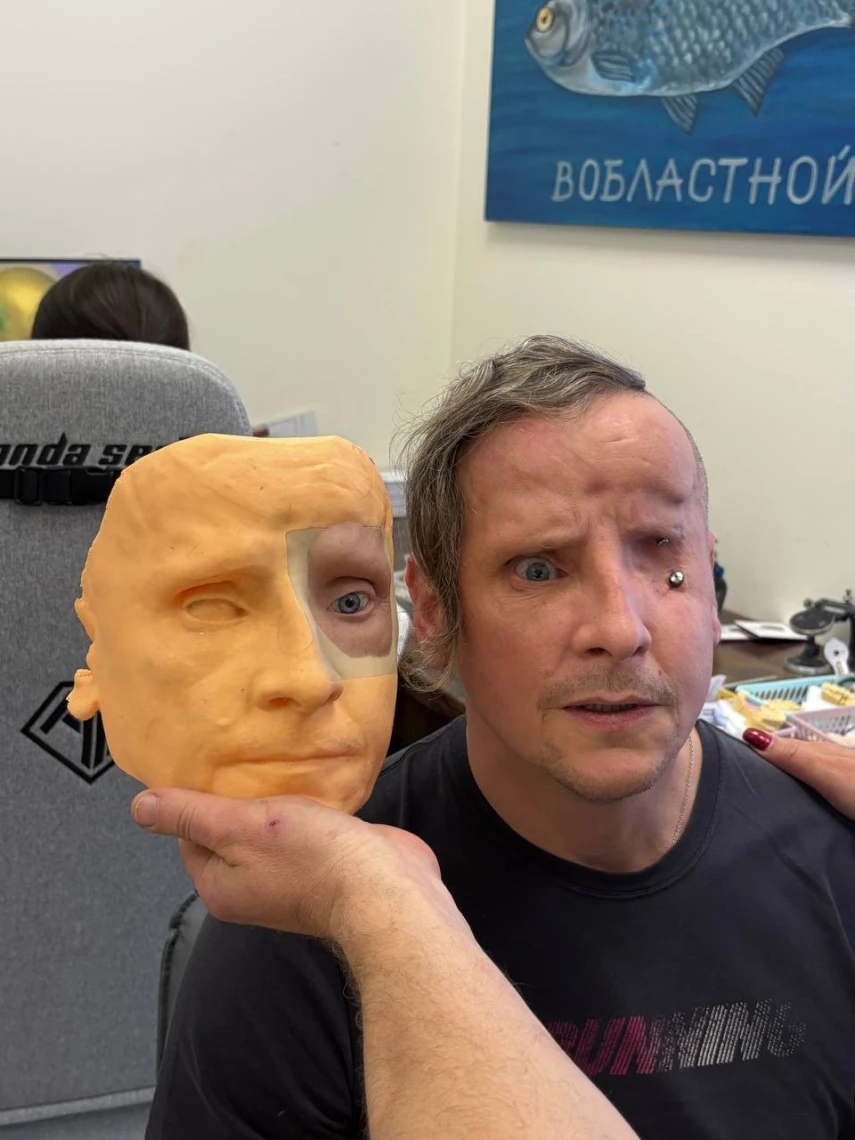
He says the hardest part wasn’t the injury itself — it was losing purpose. So he made a decision: to train as a psychologist and help other soldiers process their trauma and find meaning post-war.
“My goal is to help the soldiers — especially help them find purpose again,” he says. “That’s what I want to do. Some of them are spiraling. It’s hard to shift from war back to civilian life. But I talk to my old unit. If I can, I’ll go back. I’m even ready to return to the front as a mental health support officer.”
Before the war, Ruslan was a tattoo artist. Now he carves wood — a new creative outlet that helps him heal. Friends even built him a workshop. And incredibly, even blind, Ruslan has tattooed again.
“My buddies organized the event, and another tattoo artist guided my hand so I could ink a design for a blogger,” he says. “I did the tattoo after my injury — with help, sure — but I did it.”
More than just prosthetics
“These men inspire us,” Kalynovska says. “They remind us why we do what we do, even when we’re exhausted. This work — it’s art. It’s healing. It’s human.”
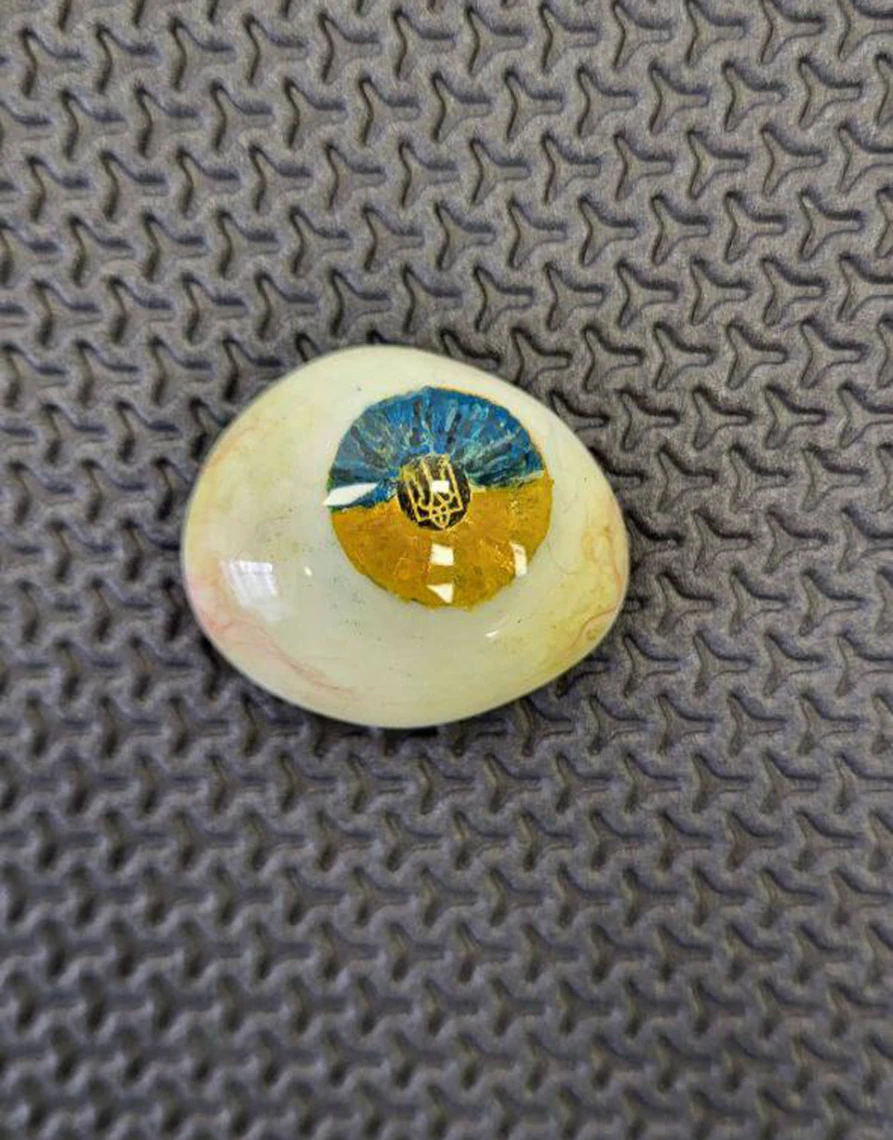
She recalls one veteran who requested a blue-and-yellow prosthetic eye — a symbol of Ukrainian resilience. In this small lab in Kyiv, rebuilding a face means much more than restoring skin. It means restoring confidence, dignity, and the chance to walk outside without shame.
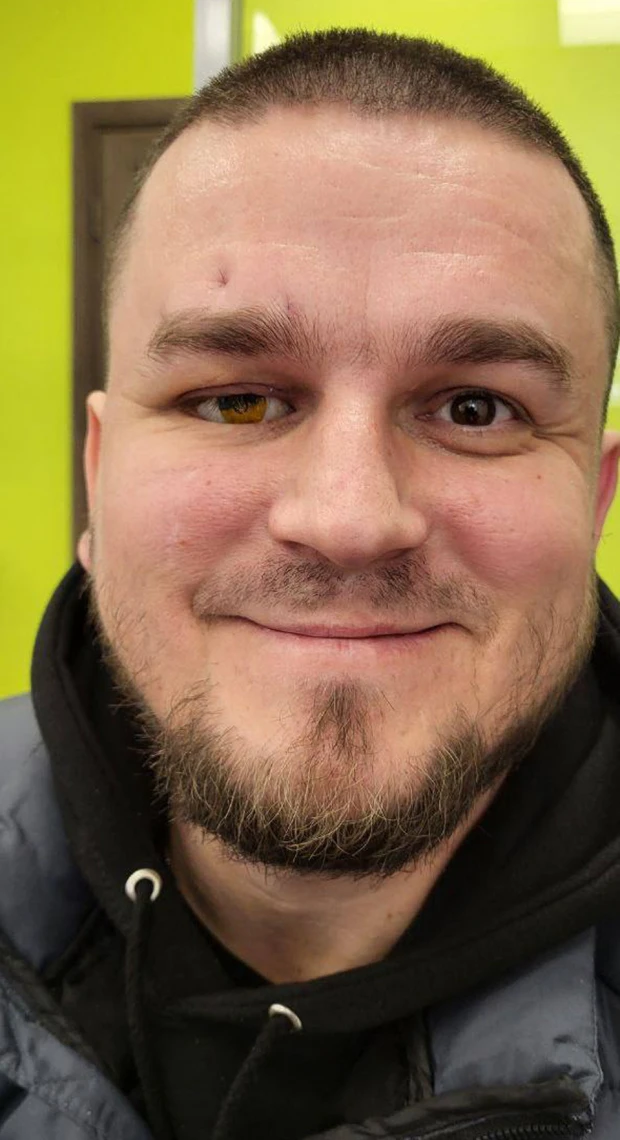
“We call our patients ‘the generals of the battalion of smiles,’” she says. “Because every one of them is a story of victory — over pain, fear, and impossible odds.”
Despite the challenges — lack of funding, limited supplies, and the ongoing war — the Imateh team presses forward. Because every prosthetic they make is not just a piece of technology. It’s a symbol of hope.
And that, they say, is worth everything.




- News