


Multipolar world, closer Russia-India ties: key takeaways from the SCO summit in China



In recent days, China hosted the largest-ever Shanghai Cooperation Organization (SCO) summit, joined by global leaders including those from Russia and India
Contents
- Announcement of a bipolar world
- Russia’s return to the diplomatic stage
- “It’s all about China” – expert on the outcome of the 25th SCO summit
Espreso reports on what the heads of the world’s most powerful non-Western economies discussed during their meetings in Tianjin. In addition, economist and Executive Director of the Economic Discussion Club, Oleh Pendzyn, explains how China continues to assert itself as another global hegemon.
Announcement of bipolar world
The anniversary 25th SCO summit, held from August 31 to September 1, brought together representatives of 26 countries and 10 international organizations. Even before the start, host Xi Jinping declared that the world’s future lies not in the hands of the West but in Eurasia, as the former no longer play the leading roles. China presented its vision of a new multipolar world.
As noted in the National Institute for Strategic Studies report, the summit came at a very convenient moment for its main participants.
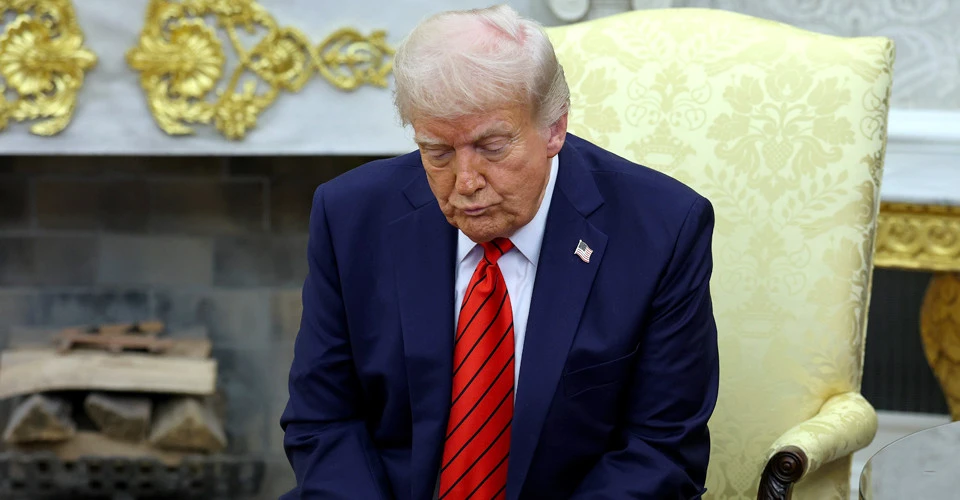
“The anniversary summit of the Shanghai Cooperation Organization (SCO) took place in the context of significant changes in the global order, caused primarily by the policies of the 47th President of the United States, as well as ongoing conflicts and wars - the Russian-Ukrainian war and the conflict in Gaza,” the report said.
Although issues such as international trade, ecology, and technology were on the agenda, they were all discussed through the prism of Xi’s multipolar world.
The summit resulted in the signing of the Tianjin Declaration and a 10-year development strategy. Security issues were also raised, including the creation of the SCO Integrated Response Center for Security Threats and the SCO Drug Control Center. Participants condemned U.S. strikes on Iran and stressed the inadmissibility of damage to nuclear facilities. Most significantly, they decided to establish the SCO Development Bank, which, according to the communiqué, will serve as an Asian counterpart to the European Bank for Reconstruction and Development.
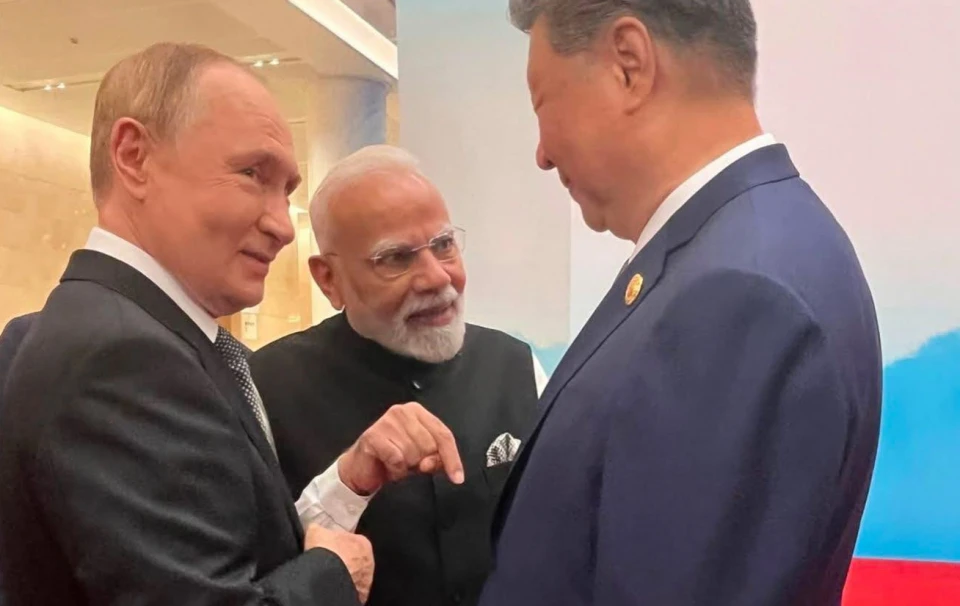
Notably, Indian Prime Minister Narendra Modi attended the summit in China – his first visit in seven years – signaling a thaw in relations between the two countries after border clashes in 2020. Against the backdrop of U.S.-India trade and energy disputes, Beijing has chosen to keep another major Asian player close.
At the same time, the SCO’s final documents did not mention Russia’s war against Ukraine, though they did include several points on other armed conflicts.
Russia’s return to the diplomatic stage
The only leader who mentioned Ukraine was Russian dictator Vladimir Putin, though he referred to his full-scale invasion as the “Ukrainian crisis,” blaming Western-backed “coups” and attempts to draw Ukraine into NATO.
As the New York Times noted, just three years ago Putin looked isolated at the SCO summit, facing rebukes from Xi and Modi and being left alone before key meetings. Now, however, he is again among central figures, warmly received by other leaders.
“Mr. Putin used his stage to publicly blame the West for the war in Ukraine. He gleefully held hands with Prime Minister Narendra Modi of India and erupted in laughs as the pair joined in a huddle with the Chinese leader, Xi Jinping. Leaders from Iran, Nepal, Tajikistan, Turkey and Vietnam glad-handed Mr. Putin in private meetings that ran past midnight,” NYT reported.
Professor Maria Repnikova from Georgia State University observed: “It felt like the war was accepted. It’s like back to business and the war was not even present.”
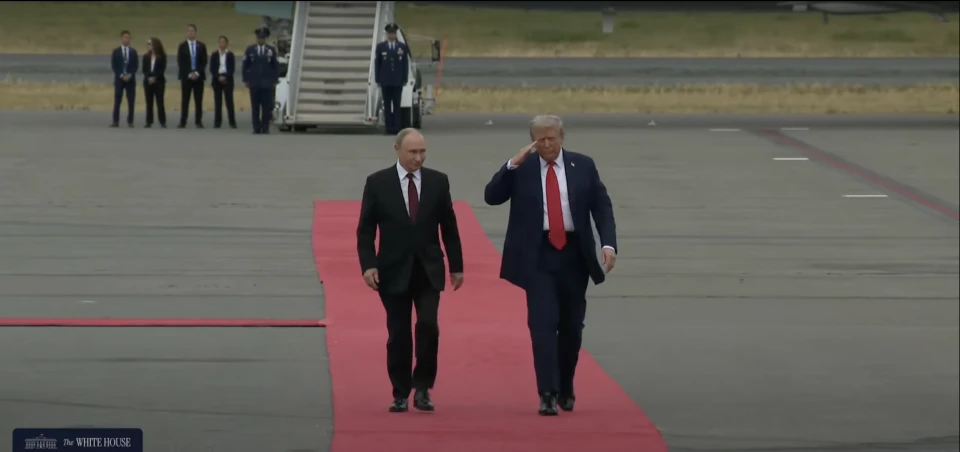
Putin’s reemergence from isolation was bolstered by Donald Trump, who hosted him in Alaska despite the ICC arrest warrant, and by Trump’s confrontational trade policies, which strained U.S. ties with many states now more open to Russia.
“Russia has built a network of relationships that matter for its economy, legitimize Putin’s system, and make the war’s impact on Russia smaller than it could have been,” said Michael Kimmage, director of the Kennan Institute in Washington.
“It’s all about China” – expert on the SCO summit
According to economist Oleh Pendzyn, the summit was largely about China showcasing the demise of a unipolar world and its emergence as a new global hegemon.
“He demonstrated an extraordinary level of authority, far beyond what the Americans ever had. What we saw and heard at the SCO summit confirms that China today is a far stronger political and geopolitical force than the United States,” Pendzyn stressed.
He also noted that decisions on Russia’s war in Ukraine are increasingly shaped not in Washington but in Beijing, pointing out that leaders representing over 3 billion people were present at the summit.
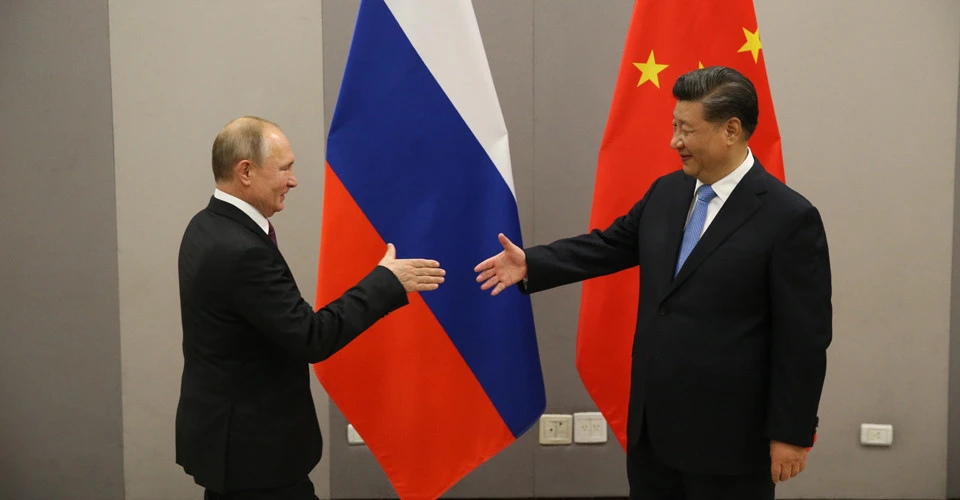
At the same time, Pendzyn emphasized that Russia has lost its economic sovereignty to China:
“Russia’s behavior now is that of a vassal before its suzerain. It’s absolutely clear. The war in Ukraine today depends entirely on Chinese money, as Russia’s internal reserves will only cover its budget deficit until around October,” he concluded.




- News