


Ukraine’s anti-corruption agencies rocked by Russian espionage scandal



On Monday morning, July 21, Ukraine's Security Service and Prosecutor General's Office launched a major op to root out Russian influence among National Anti-Corruption Bureau detectives across the country. They also raided the Specialized Anti-Corruption Prosecutor's Office
The first reports came from sources in Ukrainian law enforcement, cited by domestic media.
According to those sources, two NABU detectives are suspected of state treason, illegal trade with Russia, and engaging in corrupt activities to benefit oligarchs.
Law enforcement officials say there is documented evidence of unofficial Russian intelligence influence over NABU detectives. One of the detectives allegedly passed classified information to the enemy through contacts in the inner circle of exiled former President Viktor Yanukovych.
NABU’s press office stated that on July 21, SBU and Prosecutor General’s Office personnel were conducting investigative actions against NABU staff without court warrants.
Later that day, SAPO issued a statement saying that the SBU had arrived unannounced—without the formal notification required by law—for an inspection related to compliance with state secrets regulations.
According to SAPO, the SBU obtained access to information about all covert and operational activities, as well as special operations being carried out by both NABU and SAPO. The inspection took place while the heads of both agencies were on official foreign trips.
“The ongoing actions could lead to the exposure of classified information related to covert investigative measures in numerous criminal proceedings currently under investigation by NABU and SAPO,” the Specialized Anti-Corruption Prosecutor’s Office said in a statement. “We urge SBU officers to strictly follow current legislation to prevent information leaks and the derailment of high-level corruption cases led by NABU and SAPO.”
Top NABU detective arrested over alleged ties to Russia
Later, the Security Service of Ukraine (SBU) announced the arrest of Ruslan Magamedrasulov, a senior NABU detective overseeing interregional units, on suspicion of conducting illegal business operations in Russia.
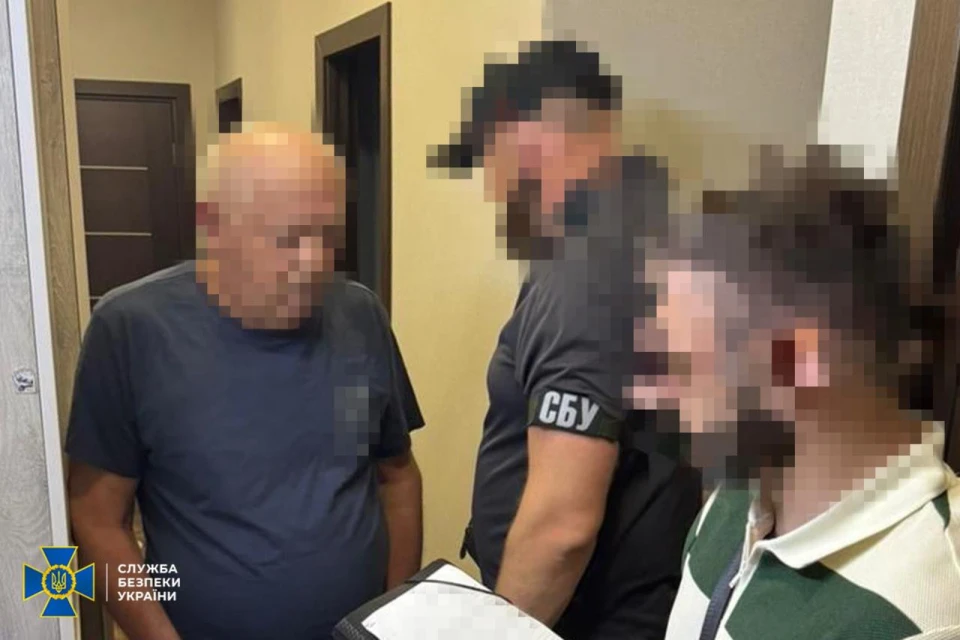
According to investigators, Magamedrasulov was based in Dnipro and coordinated NABU activity in frontline regions — Dnipropetrovsk and Zaporizhzhia — while allegedly maintaining contacts with Russian nationals and helping his father run an illicit trade network with Russia.
Authorities allege he acted as a middleman in exporting his father's industrial hemp to the Russian republic of Dagestan.
Investigators are also examining evidence of potential ties between Magamedrasulov and Russian intelligence services, including the suspected transmission of classified information, such as details about upcoming investigative operations. He was reportedly in close contact with Fedor Khrystenko, a fugitive Ukrainian lawmaker from the now-banned pro-Russian party OPZZh, who is believed to be linked to Russian intelligence and to wield significant influence over NABU’s activities.
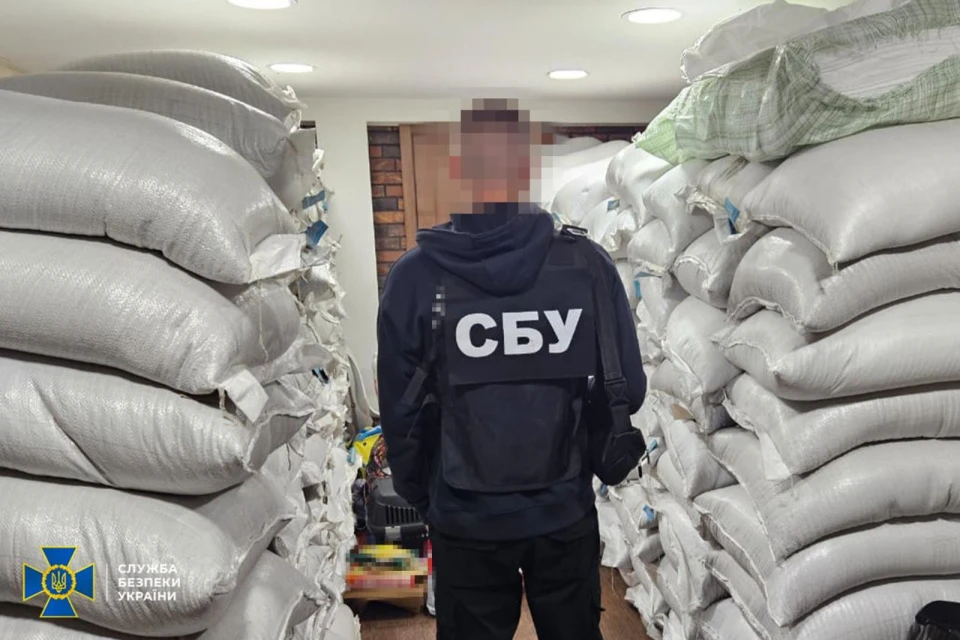
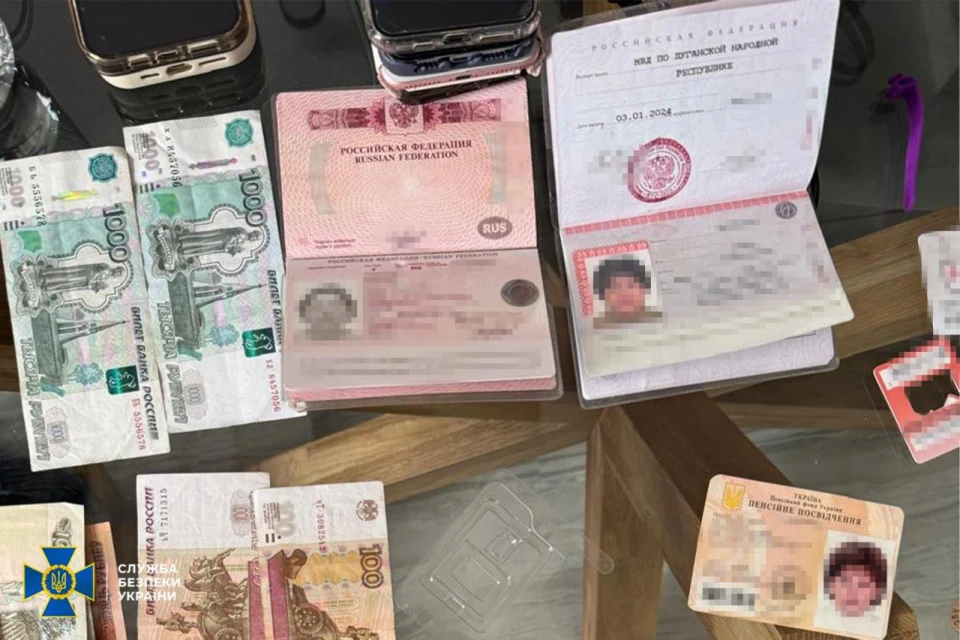
The investigation also revealed that Magamedrasulov’s father, Sentyabr Magamedrasulov, holds Russian citizenship — a fact Ruslan failed to disclose when obtaining security clearance to access state secrets, in violation of Ukrainian law.
Additionally, Magamedrasulov’s mother, Iryna Magamedrasulova, lives in Kyiv but receives a pension from the self-proclaimed Donetsk People’s Republic and posts pro-Russian content on social media, including in Z-symbol-themed groups. According to the SBU, she openly supports Russia’s war against Ukraine and justifies war crimes in private conversations.
Despite being officially stationed in Dnipro, Magamedrasulov allegedly spent most of his time in Kyiv and had just returned from a multi-week luxury vacation on the Spanish island of Tenerife. Authorities are now deciding whether to formally charge him with aiding the enemy state — a crime under Ukraine’s Criminal Code.
Editor’s Note: According to Article 62 of Ukraine’s Constitution, a person is presumed innocent until proven guilty by a court of law.
SBU uncovers FSB mole inside NABU’s elite unit
At 3:15 p.m., the SBU released another statement, revealing that — in cooperation with the Prosecutor General’s Office — they had exposed an FSB infiltration into NABU.
According to the statement, a NABU officer working in its most elite and confidential division, “D-2,” was arrested in Kyiv on charges of spying for the Russian intelligence service.
The mole’s handler was allegedly Dmytro Ivantsov, a former deputy head of President Yanukovych’s security detail. Ivantsov reportedly helped Yanukovych flee to Russia in February 2014, stayed in Crimea, joined Russian forces, and was later recruited by the FSB.
SBU officials say they documented at least 60 instances in which the suspect transferred restricted information to Ivantsov. The mole allegedly collected personal data on Ukrainian law enforcement and civilians targeted for Russian terror attacks and information operations. He reportedly used closed government databases to gather this data and received payments for each assignment via bank transfers from his handler.
The SBU stated it had previously warned NABU leadership about the risks posed by this employee, but no action was taken. The suspect continued in his role and even attempted to destroy evidence of his espionage.
The suspect was arrested after comprehensive surveillance and evidence-gathering. Authorities seized his phone and computer equipment used to communicate with his FSB handler.
He has been officially charged under multiple articles of the Criminal Code of Ukraine:
- Article 111, Part 1 – High treason
- Article 362, Part 3 – Unauthorized access to information stored in computer systems or networks by a person with authorized access
If convicted, he faces up to 15 years in prison.
Editor’s Note: As per Article 62 of Ukraine’s Constitution, a person is presumed innocent until proven guilty in a court of law.
NABU pushes back, calls searches illegal
NABU later confirmed that the SBU and Prosecutor General’s Office had conducted at least 70 searches targeting 15 of its employees. According to NABU’s press office, the searches were carried out without court orders and were largely justified on the basis of minor traffic incidents involving some employees. Allegations of ties to Russia, they said, were not cited as the main reason.
NABU added that the SBU had also launched an unscheduled inspection of how the agency handles classified information. This inspection covers employees with access to state secrets and covert investigative methods. NABU warned that the SBU could potentially gain access to information about ongoing and planned operations, posing a serious risk to the integrity of their investigations.
Additionally, the State Service of Special Communications is conducting a planned audit of NABU’s technical infrastructure. According to NABU, during one of the raids, force was used against a detective who had not resisted.
“At the time the raids began, NABU’s director was on an official trip to the United Kingdom, which included a scheduled meeting with the foreign secretary. He has since decided to cut the trip short and return to Ukraine immediately,” the Bureau said.
NABU is now conducting an internal investigation into the July 21 events, including the legality of the actions taken by the SBU and the use of force against its personnel.
SBU denies overreach
In response, the SBU announced the start of a comprehensive inspection at SAPO focused on compliance with laws governing state secrets.
“The SBU did not access all covert and operational documents or special operations carried out by NABU and SAPO,” the agency’s press service said. “The inspection does not involve reviewing the full content of such documents.”
The SBU rejected claims that its personnel had compromised classified investigations, calling such statements baseless and manipulative.




- News